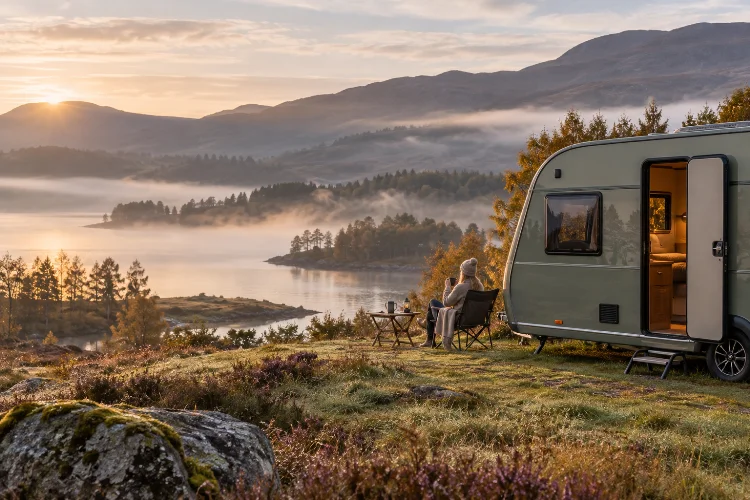
Picture this: you’re sitting outside a cosy caravan, holding a warm cup of coffee while morning mist slowly lifts over the Scottish countryside. There’s no crowded hotel lobby, no strict itinerary, and definitely no rush to get anywhere.
Sounds pretty relaxing, right?
That’s the beauty of caravan holidays in rural Scotland. You get the freedom to explore spectacular landscapes while enjoying the comfort of having your own little home away from home.
But here’s something many travellers overlook: Scotland’s countryside changes dramatically throughout the year.
Spring brings blooming wildflowers and newborn farm animals. Summer delivers wonderfully long days and outdoor adventures. Autumn transforms forests into golden landscapes, while winter creates an entirely different atmosphere with quiet villages and spectacular dark skies.
Designing flexible caravan holidays around Scotland’s rural seasons means understanding these changes and using them to create a better travel experience.
Instead of forcing every holiday into the same schedule, you can adapt your accommodation, activities, and travel plans to suit the season.
Let’s explore how to make that happen without overcomplicating your next Scottish getaway.
Understanding Scotland’s Rural Seasons Before Planning Your Holiday
Scotland might look relatively small on a map, but its geography creates an impressive variety of weather conditions and seasonal experiences.
A coastal caravan park in Dumfries and Galloway can feel completely different from a countryside retreat near the Cairngorms. Even locations within the same region may experience different temperatures, rainfall, and wind conditions.
According to the Met Office, Scotland’s regional climate varies considerably because of its mountainous terrain, coastal exposure, and Atlantic weather patterns.
That’s why checking the weather for your specific destination is far more useful than relying on a general Scottish forecast.
Why Flexibility Matters More Than Perfect Weather
One common mistake is planning an entire holiday around the assumption that every day will be sunny.
Unfortunately, Scottish weather doesn’t always cooperate.
You might wake up expecting a beautiful coastal walk, only to discover strong winds and persistent rain. Alternatively, a cloudy forecast might unexpectedly turn into a fantastic afternoon.
A flexible travel plan allows you to adjust without feeling disappointed.
Instead of organising five consecutive days of outdoor activities, combine scenic adventures with indoor attractions, local cafés, historic sites, and relaxed time at your caravan.
This approach is especially useful when travelling with children or older relatives.
Static Caravans Versus Touring Caravans
Your accommodation style also influences how much flexibility you actually have.
Static caravans provide a fixed holiday base, usually with a kitchen, bathroom, bedrooms, and comfortable living space. They’re ideal for visitors who want to explore one region without repeatedly packing their belongings.
Touring caravans offer greater location flexibility because they can be moved between suitable sites.
However, touring requires additional planning around towing conditions, pitch availability, road access, and seasonal campsite facilities.
Neither option is automatically better.
The right choice depends on whether you prefer settling into one location or discovering several destinations during the same trip.
Planning Caravan Holidays Around Scotland’s Four Seasons
Every season has its own advantages, and understanding those differences can help you choose the ideal time to travel.
Rather than chasing the warmest possible weather, think about the activities and atmosphere you actually want.
Spring: Fresh Landscapes and Peaceful Countryside Breaks
Spring, generally running from March through May, is one of the most refreshing times to explore rural Scotland.
According to VisitScotland, average maximum temperatures during these months are approximately 8–13°C, although local conditions vary.
Woodlands begin filling with colour, countryside paths become increasingly attractive, and wildlife activity starts picking up.
For caravan holidaymakers, spring provides an excellent opportunity to enjoy walking routes, gardens, nature reserves, and scenic villages before the busiest summer period.
Accommodation may also offer better value outside school holidays, depending on demand and individual park pricing.
However, spring brings important considerations for visitors exploring farmland.
Lambing and calving take place across many rural areas, so travellers should respect livestock, follow access guidance, and avoid disturbing young animals.
If you’re bringing a dog, never enter fields containing lambs or calves.
A peaceful countryside escape should be enjoyable for local farmers and wildlife, too.
Summer: Long Days and Outdoor Adventures
Summer is understandably popular for caravan holidays.
Between June and August, Scotland enjoys long daylight hours, with national average maximum temperatures around 17°C.
Those extended evenings make it easier to enjoy activities without constantly checking the time.
You could spend the morning cycling through woodland trails, explore a coastal village after lunch, and still have daylight for a relaxed evening walk.
Families particularly appreciate this flexibility because outdoor activities can be spread across the day.
However, popular caravan parks often experience stronger demand during school holidays.
Another consideration is Scotland’s famous midges.
These small biting insects are especially active in damp, sheltered locations during warmer months, particularly around dawn and dusk.
Packing insect repellent and lightweight long-sleeved clothing makes outdoor activities considerably more comfortable.
Summer works best when you plan ahead for accomodation but leave individual days relatively open.
Autumn: Colourful Forests and Slower Travel
If you love peaceful scenery, autumn deserves serious consideration.
From September to November, forests and glens gradually transform into beautiful shades of orange, yellow, and red.
The landscapes feel different, and many tourist areas become noticeably quieter after the main summer season.
This creates an excellent opportunity for couples, photographers, and travellers looking for a slower holiday.
Imagine spending the morning exploring woodland trails before returning to your caravan for a warm meal and a relaxing afternoon.
Pretty appealing, isn’t it?
Autumn also offers darker evenings, making stargazing increasingly practical.
Galloway Forest Park, in southwest Scotland, is home to the UK’s first Dark Sky Park and provides opportunities to experience impressive night skies when conditions are clear.
Just remember that shorter days require better time management.
Plan longer outdoor activities earlier, and keep comfortable indoor options available for rainy afternoons.
Winter: Cosy Retreats and Quiet Rural Escapes
Winter caravan holidays aren’t for everyone, but they can be surprisingly rewarding.
Between December and February, Scotland experiences colder temperatures, shorter days, and more unpredictable travelling conditions.
VisitScotland reports that average winter maximum temperatures are usually around 6°C.
Snow is possible, especially in mountainous areas, although visitors shouldn’t assume every countryside destination will be covered in white.
The biggest attraction is the peaceful atmosphere.
A well-insulated caravan with effective heating can provide a comfortable base for short walks, local sightseeing, and evenings spent relaxing indoors.
However, not every holiday park operates throughout winter.
Before booking, confirm whether the accommodation remains available and whether essential facilities such as water, heating, and nearby services are operating.
Avoid travelling during severe weather warnings, and consider arriving before darkness.
Winter holidays reward careful preparation rather than spontaneous long-distance driving.
Choosing the Right Scottish Countryside Location for Each Season
Scotland’s rural landscapes offer different experiences depending on where you stay.
Choosing a destination that matches your seasonal interests can make your holiday considerably more enjoyable.
Coastal Regions for Relaxed Spring and Summer Breaks
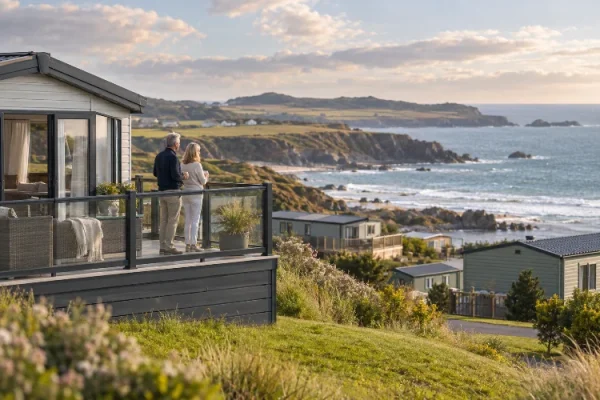
Areas such as Dumfries and Galloway, Argyll, and parts of the Moray Firth coastline are attractive for caravan holidays near beaches and traditional seaside communities.
Coastal locations provide opportunities for photography, wildlife watching, cycling, and relaxed walks.
During summer, longer daylight hours make exploring nearby villages particularly enjoyable.
Spring can also be rewarding when coastal paths are quieter and surrounding countryside begins turning green.
However, exposed locations may experience strong winds even during warmer months.
Choosing a caravan with comfortable indoor seating and reliable heating is useful regardless of the season.
Forest and Highland Destinations for Autumn Adventures
Woodland locations around Perthshire, the Cairngorms, and Galloway offer excellent opportunities for seasonal exploration.
Autumn is particularly attractive when trees change colour and walking trails become quieter.
Visitors can combine scenic drives with gentle woodland walks, photography, and stops at local cafés.
Some areas also provide mountain biking routes and wildlife viewing opportunities.
For families, forest-based caravan holidays create an appealing balance between outdoor adventure and relaxation.
Always check trail conditions and forestry notices before setting off, particularly following heavy rainfall or strong winds.
Rural Villages for Year-Round Comfort
Not every countryside holiday needs to involve remote wilderness.
Staying near a small town or village can provide a useful compromise between peaceful surroundings and practical convenience.
You’ll often have easier access to food shops, restaurants, fuel stations, and indoor attractions.
This becomes especially valuable during colder months when daylight is limited and driving conditions may deteriorate.
A good location allows you to enjoy rural scenery without feeling completely isolated.
Selecting Caravan Accommodation That Adapts to the Weather
A beautiful location matters, but the caravan itself can have an equally important influence on your experience.
Accommodation that feels perfect in July might become uncomfortable during a cold November evening.
That’s why seasonal suitability deserves attention before booking.
Heating, Insulation, and Everyday Comfort
For spring, autumn, and winter holidays, effective heating should be a priority.
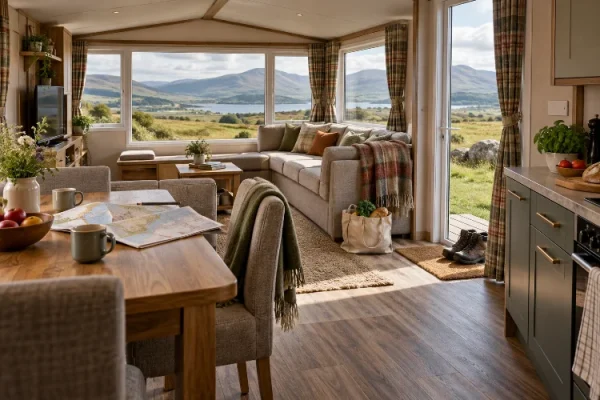
Modern static caravans may include central heating, double glazing, and insulation designed to maintain comfortable indoor temperatures.
However, facilities vary considerably between parks and accommodation categories.
Always confirm the actual specifications rather than assuming every caravan offers the same standard.
A comfortable lounge, reliable hot water, and sufficient space for drying wet clothing can make an enormous difference after spending time outdoors.
For summer trips, ventilation and shaded outdoor seating may become more important.
Practical Layouts for Different Travellers
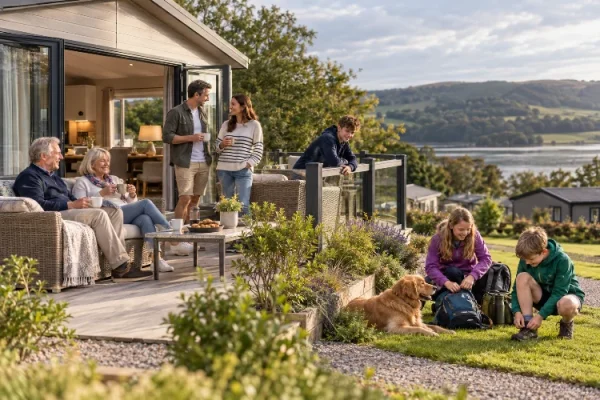
Families often benefit from caravans with separate bedrooms, a reasonably spacious kitchen, and easy access to playgrounds or recreational facilities.
Couples might prioritise privacy, scenic views, and comfortable outdoor decking.
Larger groups should carefully examine sleeping arrangements.
A caravan advertised as accommodating six people might include a sofa bed in the lounge, which could reduce privacy and shared living space.
Pet owners should also confirm whether dogs are permitted and whether additional charges apply.
Choosing the right layout helps prevent small frustrations from disrupting an otherwise relaxing holiday.
Facilities That Remain Useful Across Seasons
Swimming pools, restaurants, entertainment venues, and children’s activity areas can add value to a caravan break.
However, availability sometimes changes outside peak periods.
A park advertising extensive summer entertainment may operate a reduced scedule during quieter months.
Before making a reservation, check the facilities available for your actual travel dates.
That simple step can prevent disappointment and help you compare holiday parks more accurately.
Building a Flexible Itinerary Without Overspending
One of the biggest advantages of self-catering caravan holidays is the opportunity to manage your own schedule and spending.
But flexibility doesn’t mean travelling without any preparation.
The secret is organising the essentials while leaving space for spontaneous experiences.
Create a Plan A and Plan B
A practical approach is to prepare two activity options for each day.
Plan A might involve a coastal walk, cycling adventure, or forest excursion.
Plan B could include visiting a museum, exploring local shops, enjoying a café, or relaxing at your accommodation.
For example, imagine booking a four-night spring break in southwest Scotland.
Your first day could focus on settling in and exploring the surrounding area. The following morning might involve visiting Galloway Forest Park, with an indoor attraction available if the weather changes.
Another day could be dedicated to coastal sightseeing, while the final full day remains intentionally unplanned.
This structure creates direction without making the holiday feel like a strict timetable.
Compare the Total Cost, Not Just the Rental Price
Caravan rental prices depend on the location, season, accommodation category, and available facilities.
A premium caravan during the summer holidays might cost considerably more than a similar unit during a quieter autumn week.
However, lower accommodation rates don’t always guarantee better overall value.
Consider a hypothetical three-night getaway costing £390, compared with another option priced at £450.
If the cheaper caravan requires additional payments for linen, heating, or facilities you intend to use, the difference could disappear.
These figures are illustrative rather than current market rates, but the principle is important.
Compare the complete price, including cleaning fees, pet charges, optional extras, and cancellation conditions.
Travellers with flexibile dates may also find better opportunities by comparing weekday stays with popular weekend periods.
Leave Room for Local Experiences
Some of the best Scottish holiday moments happen unexpectedly.
You might discover a small farm shop, stumble upon a beautiful viewpoint, or find a quiet café serving homemade cakes.
Leaving gaps in your itinerary allows these experiences to happen naturally.
It also provides opportunities to support local businesses rather than relying entirely on facilities within your holiday park.
A relaxed schedule can be just as memorable as an action-packed adventure.
Travelling Responsibly Through Scotland’s Rural Landscapes
Scotland’s countryside is a working environment as well as a holiday destination.
Farmers, forestry workers, local communities, and wildlife all share these landscapes with visitors.
Understanding that relationship helps create a more respectful and enjoyable travel experience.
Respect Farming and Wildlife Seasons
The Scottish Outdoor Access Code provides guidance for people exploring rural land responsibly.
During spring, avoid disturbing lambs and calves, keep a safe distance from livestock, and follow any temporary route advice.
Ground-nesting birds are another important consideration.
During the breeding season, generally April through July, dogs should remain under close control in sensitive habitats.
Visitors should also avoid damaging crops, leave gates as they find them, and respect signs around active forestry operations.
These small actions help protect the countryside that makes rural caravan holidays so special.
Understand Parking and Camping Rules
Scotland’s responsible outdoor access rights do not provide a general right to park caravans or motorhomes wherever you choose.
Wild camping rights primarily concern lightweight, non-motorised camping, while vehicles and caravans must follow relevant parking restrictions and site rules.
Using established caravan parks or authorised overnight locations is the most straightforward approach.
During winter, check road conditions and travel warnings through Traffic Scotland before heading into remote areas.
Most importantly, be prepared to change plans if conditions become unsafe.
Flexibility isn’t just about convenience. It’s also about making sensible decisions.
Designing flexible caravan holidays around Scotland’s rural seasons is about working with nature rather than expecting every trip to follow the same pattern.
Spring offers fresh scenery and peaceful countryside exploration, while summer brings extended daylight and outdoor adventures. Autumn provides colourful landscapes and quieter surroundings, and winter creates opportunities for cosy escapes and memorable stargazing.
The key is choosing suitable accommodation, understanding seasonal conditions, and building an itinerary that leaves room for unexpected changes.
Whether you’re planning a family adventure, a romantic weekend, or a relaxing countryside retreat, Scotland offers plenty of possibilities throughout the year.
Ready to plan your next getaway? Explore Scottish caravan parks, compare their seasonal facilities, and choose a destination that suits your travel style. Your perfect rural escape might be waiting in a season you haven’t considered yet.