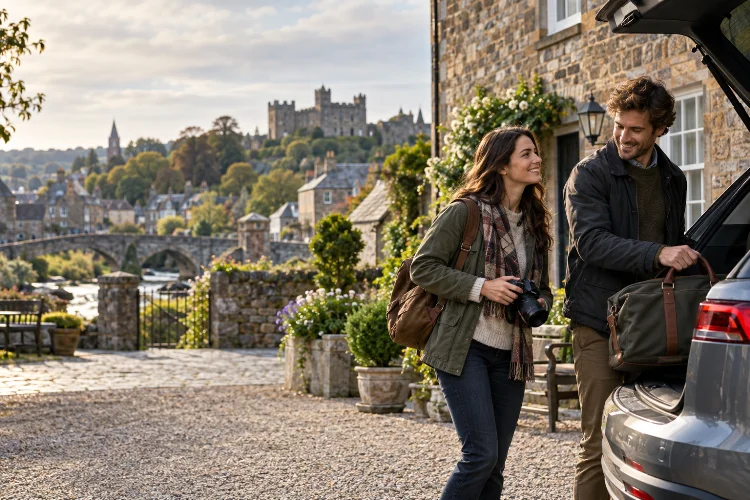
Ever booked a weekend getaway, packed your schedule with exciting attractions, and returned home feeling like you needed another holiday?
We’ve all been there.
Short breaks are supposed to help you relax, but poor planning can turn a peaceful escape into a never-ending race between destinations.
That’s why optimising short-break itineraries for Dumfries and Galloway trips is all about finding the right balance between exploring and unwinding.
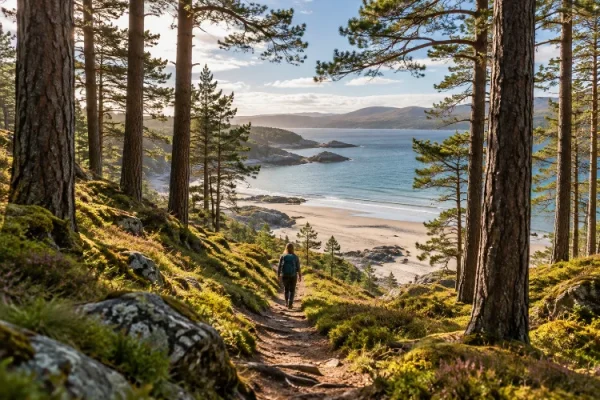
Located in southwest Scotland, Dumfries and Galloway offers an incredible combination of scenic coastlines, charming villages, historic castles, peaceful forests, and fascinating cultural attractions.
And here’s the good news: you don’t need an entire week to appreciate its beauty.
With a thoughtfully organised two- or three-day itinerary, you can experience some of the region’s most memorable destinations without spending every waking moment behind the wheel.
Whether you’re planning a romantic weekend, a family adventure, or a relaxing countryside escape, knowing where to go and how long to stay makes a huge difference.
Let’s explore how to create a short Scottish holiday that feels rewarding, comfortable, and genuinely refreshing.
1. Understanding What Makes a Great Dumfries and Galloway Short Break
The secret to a successful weekend in southwest Scotland isn’t visiting as many attractions as possible.
It’s choosing experiences that work naturally together.
Dumfries and Galloway covers a large geographical area, so understanding its different regions can save you considerable travel time.
Focus on Smaller Geographical Areas
Rather than trying to explore the entire region in one weekend, divide your itinerary into manageable areas.
Eastern Dumfries and Galloway includes Dumfries, historic Caerlaverock Castle, countryside attractions, and routes towards the Solway coast.
Central Galloway offers Castle Douglas, Kirkcudbright, Gatehouse of Fleet, and surrounding woodland landscapes.
Further west, visitors can discover Newton Stewart, Creetown, Wigtown, and the beautiful countryside surrounding Galloway Forest Park.
Each area offers enough activities to fill a short holiday.
Choosing one or two neighbouring areas means less driving and more time enjoying the places you’ve travelled to see.
Avoid the Temptation to Complete Every Scenic Route
One well-known driving itinerary is the South West Coastal 300, commonly called the SWC300.
According to VisitScotland, this circular route covers approximately 300 miles through Dumfries and Galloway and southern Ayrshire.
While the route offers spectacular scenery, completing the entire circuit during a brief weekend can feel unnecessarily rushed.
A better option is choosing a smaller section that matches your interests.
For example, travellers interested in coastal villages could focus on Kirkcudbright and Gatehouse of Fleet, while nature lovers might prefer exploring the forests around Newton Stewart.
Remember, a memorable holiday isn’t measured by mileage.
2. Creating the Perfect Two-Day Dumfries and Galloway Itinerary
Two days might not sound like much, but they’re enough for a satisfying introduction to the region.
The key is selecting attractions that complement each other geographically.
Day One: Discover Castle Douglas and Kirkcudbright
Begin your weekend in Castle Douglas, a traditional market town known for its independent food businesses and local shopping opportunities.
Enjoy breakfast at a local café before exploring the town’s streets and specialist retailers.
Afterwards, consider visiting Threave Garden and Nature Reserve, located just outside Castle Douglas.
Managed by the National Trust for Scotland, the attraction features beautifully maintained gardens, woodland scenery, and wildlife habitats.
You can explore different garden areas, enjoy peaceful walking routes, and appreciate the surrounding countryside.
The gardens offer an enjoyable alternative to visiting multiple museums or historical attractions in one day.
In the afternoon, continue towards Kirkcudbright.
Often called Scotland’s Artists’ Town, Kirkcudbright is known for its colourful buildings, harbour setting, and strong artistic heritage.
Spend some time wandering through the town centre before visiting Kirkcudbright Galleries.
Located inside the former Town Hall, the gallery showcases important artworks connected with the town’s creative history.
Finish the day with a relaxed evening meal and an overnight stay nearby.
There’s no need to squeeze another destination into your schedule.
Day Two: Explore Gatehouse of Fleet and the Coast
Start your second day with a leisurely breakfast before travelling towards Gatehouse of Fleet.
This attractive town combines historic architecture, peaceful streets, and beautiful countryside surroundings.
One interesting attraction is the Mill on the Fleet, a restored former cotton mill that now provides exhibitions and visitor information.
Depending on opening arrangements, you could spend part of the morning learning about the area’s industrial heritage.
Afterwards, enjoy a short countryside walk or explore nearby scenic viewpoints.
If you prefer coastal scenery, consider a detour towards a suitable beach or established walking route.
Keep your afternoon relatively flexible, especially if you’re travelling home later that day.
This simple two-day itinerary provides a balanced combination of culture, history, nature, and relaxation without requiring excessive driving.
3. Planning a Three-Day Scottish Countryside Escape
Adding a third day gives you considerably more flexibility.
You can explore additional destinations, enjoy longer outdoor activities, or simply reduce the number of attractions visited each day.
Day One: Dumfries and Caerlaverock Castle
Begin your trip in Dumfries, the region’s historic county town.
Explore its streets, riverside surroundings, and attractions connected with Scottish poet Robert Burns.
The town provides an interesting introduction to local history and culture.
Later, travel south towards Caerlaverock Castle.
This impressive medieval fortress is famous for its unusual triangular design, surrounding moat, and defensive architecture.
Historic Environment Scotland manages the site, which has visitor facilities and accessible areas around the castle.
Some sections may be restricted because of ongoing conservation work, so checking the latest information before your visit is important.
Return towards Dumfries for dinner and an overnight stay, or continue towards Castle Douglas if that better suits your accommodation arrangements.
Day Two: Castle Douglas and Kirkcudbright
Spend your second morning around Castle Douglas.
If you enjoy gardens and peaceful countryside experiences, make time for Threave Garden rather than rushing through several unrelated attractions.
Alternatively, devote more time to the town’s cafés and independent shops.
In the afternoon, travel to Kirkcudbright for a relaxed cultural experience.
Explore the harbour, visit a gallery, and enjoy the attractive historic streets.
Staying overnight in the area also allows you to enjoy the town without constantly checking your departure time.
Day Three: Gatehouse of Fleet and Western Galloway
Your final day could begin in Gatehouse of Fleet before continuing towards Creetown.
Creetown sits near the northern reaches of Wigtown Bay and offers a quieter village atmosphere surrounded by countryside scenery.
From here, you have two appealing options.
Nature enthusiasts could continue towards Newton Stewart and Kirroughtree, one of the main visitor destinations within Galloway Forest Park.
Forestry and Land Scotland provides woodland walking trails, cycling opportunities, and wildlife-viewing facilities at Kirroughtree.
Alternatively, book lovers could explore Wigtown, Scotland’s National Book Town.
Browse independent bookshops, enjoy a coffee, and take time to appreciate the surrounding countryside.
Choose whichever activity best suits your interests and departure arrangements.
Trying to complete both experiences in detail could make the final day feel unnecessarily busy.
4. Tailoring Your Short-Break Itinerary to Your Travel Style
Not everyone wants the same type of holiday.
Some travellers love historic castles, others prefer outdoor adventures, and plenty of people simply want a peaceful place to relax.
The best itinerary should reflect what you actually enjoy doing.
Romantic Weekends for Couples
Couples might prefer a slower schedule featuring scenic walks, independent restaurants, and cosy accommodation.
Kirkcudbright and Gatehouse of Fleet are appealing choices because they combine attractive surroundings with local shops and cultural attractions.
Consider spending the morning walking through historic streets before enjoying a leisurely afternoon at a café or gallery.
A countryside cottage or comfortable hotel can make the evening feel like part of the holiday rather than simply a place to sleep.
Leaving plenty of free time also makes spontaneous experiences possible.
Family-Friendly Short Breaks
Families travelling with children often benefit from alternating active adventures with quieter activities.
For example, a morning exploring Kirroughtree’s woodland trails could be followed by a relaxed lunch and an easier afternoon.
The visitor area includes walking opportunities and activities suitable for different ages and abilities, although individual trails have varying difficulty levels.
Historic attractions can also be fun when children have enough time to explore without feeling rushed.
Keep driving sections reasonably short and allow extra time for meals, rest stops, and unexpected delays.
Nature-Focused Escapes
For travellers interested in wildlife, countryside photography, and fresh air, Galloway Forest Park offers numerous possibilities.
Its extensive woodland landscapes include walking routes, scenic lochs, and opportunities for outdoor recreation.
The region is also internationally recognised for dark-sky viewing.
On a clear evening, visitors may enjoy spectacular stargazing conditions away from major sources of artificial light.
However, weather and cloud cover can affect visibility, so don’t build your entire trip around guaranteed clear skies.
A flexible itinerary gives you better opportunities to enjoy nature whenever conditions are suitable.
5. Managing Travel Time Without Overloading Your Schedule
One of the most overlooked parts of planning a short Scottish holiday is understanding how quickly time disappears.
A scenic drive might look straightforward on a map, but countryside roads and spontaneous stops can change your schedule.
Use the One-Major-Attraction Rule
A useful strategy is planning one major attraction for each half-day.
For instance, you might spend the morning at Caerlaverock Castle and reserve the afternoon for exploring Dumfries.
Alternatively, visit Threave Garden before enjoying a relaxed afternoon in Castle Douglas.
This doesn’t mean avoiding smaller attractions.
It simply means giving important experiences enough time to feel enjoyable.
Try leaving at least 30–60 minutes of unplanned time between longer activities whenever your schedule permits.
That buffer can accommodate traffic, photo stops, lunch delays, or a particularly interesting discovery.
Account for Rural Driving Conditions
Some roads across Dumfries and Galloway are narrow, winding, or affected by changing weather.
Driving times can therefore vary, particularly when travelling through unfamiliar countryside.
Avoid planning your journey entirely around the shortest estimated route.
Check road conditions before departure and allow extra time when travelling during winter or periods of heavy rain.
If you’re using public transport, confirm services and connections before organising your daily activities.
Rural bus schedules may be less frequent than services in larger Scottish cities.
Good planning helps you spend less time worrying about transport and more time enjoying the region.
Keep Your Plans Flexible
Unexpected weather is part of travelling in Scotland.
A bright morning can quickly turn into an afternoon of showers, making outdoor sightseeing less appealing.
Rather than cancelling your entire itinerary, keep a few indoor alternatives available.
Art galleries, museums, independent shops, and cafés can provide enjoyable experiences when conditions change.
This simple adjustment can make your short break feel suprisingly relaxed.
6. Choosing Accommodation and Managing Your Weekend Budget
Accommodation has a major influence on how comfortable your trip feels.
Choosing the cheapest available property isn’t always the smartest decision, particularly when it requires additional driving.
Stay Close to Your Main Attractions
For eastern Dumfries and Galloway itineraries, accommodation around Dumfries or Castle Douglas can be convenient.
Travellers exploring Kirkcudbright and Gatehouse of Fleet may prefer staying near those destinations.
For forest walks and western Galloway attractions, Newton Stewart provides another practical base.
Staying in one location for two or three nights eliminates repeated packing and checkout arrangements.
It also allows you to enjoy slower mornings and return to familiar surroundings after sightseeing.
Compare the Complete Holiday Cost
When budgeting, consider accommodation, transport, food, parking, and attraction tickets together.
A hotel offering a lower nightly rate might become less economical if it’s located far from your planned activities.
For example, an illustrative accommodation saving of £20 per night could disappear if you spend significantly more on fuel and parking.
Compare your total expected spending rather than focusing only on the room price.
Look for self-catering cottages, guesthouses, small hotels, or caravan accommodation that matches your priorities.
Booking arrangements and rates vary by season, so checking options early can help you make better decisions.
Save Money Without Missing Great Experiences
Dumfries and Galloway provides plenty of enjoyable activities that don’t require expensive admission tickets.
Exploring traditional streets, browsing local shops, enjoying countryside views, and taking suitable walks can be inexpensive ways to spend your time.
Consider combining one paid attraction with several free or low-cost experiences each day.
You could also prepare a picnic for a countryside outing and enjoy a restaurant meal in the evening.
There’s definately no need to fill every hour with expensive activities to have a memorable holiday.
7. Choosing the Best Season and Preparing for Your Trip
Seasonal conditions can influence everything from attraction opening times to walking comfort and daylight availability.
Planning around these factors makes a short holiday much easier to enjoy.
Spring and Summer Short Breaks
Spring is a lovely time to experience countryside landscapes as trees, gardens, and wildflowers begin to flourish.
Longer daylight hours also make it easier to combine walking with cultural attractions.
Summer provides even more time for outdoor activities, although popular destinations may attract additional visitors during school holidays.
Booking accommodation in advance is sensible if you’re travelling during busy periods.
Always pack waterproof clothing, even when the forecast looks promising.
Scottish weather doesn’t always follow the script.
Autumn and Winter Getaways
Autumn can be particularly attractive for travellers who enjoy colourful woodland scenery and quieter countryside surroundings.
It’s also a great opportunity for cosy accommodation and relaxed village exploration.
Winter brings shorter days and potentially challenging driving conditions.
Some attractions operate reduced schedules or close seasonally, making advance checks especially important.
For example, visitor arrangements at historic sites can differ considerably between summer and winter.
Before travelling, confirm access, opening hours, parking information, and any required reservations.
Make the Most of Your Final Day
The last day of a short break is often where poor planning becomes most obvious.
Travellers sometimes schedule several major attractions before beginning a long journey home.
A better strategy is choosing one enjoyable morning activity close to your departure route.
Have breakfast, take a short walk, and leave plenty of time for travelling.
If you’ve organised your weekend properly, you’ll return home feeling refreshed rather than exhausted.
And remember to support local businesses whenever possible.
Buying refreshments, visiting independent shops, and respecting rural communities helps make your holiday more meaningful.
Even small choices can make a difference when visiting quieter destinations.
Optimising a short break in Dumfries and Galloway isn’t about creating the busiest possible itinerary.
It’s about selecting the right destinations, organising sensible travel routes, and leaving enough time to enjoy each experience.
Whether you choose a two-day cultural escape around Kirkcudbright or a three-day adventure combining Dumfries, Castle Douglas, and western Galloway, thoughtful planning can transform your holiday.
Choosing convenient accommodation, preparing for changing weather, and balancing indoor and outdoor activities makes the experience even smoother.
Most importantly, don’t feel pressured to see everything in one visit.
Southwest Scotland has plenty to discover, and there’s always a reason to return.
Ready to plan your next Scottish getaway? Choose your favourite destinations, create a flexible weekend itinerary, and start exploring Dumfries and Galloway at your own pace.