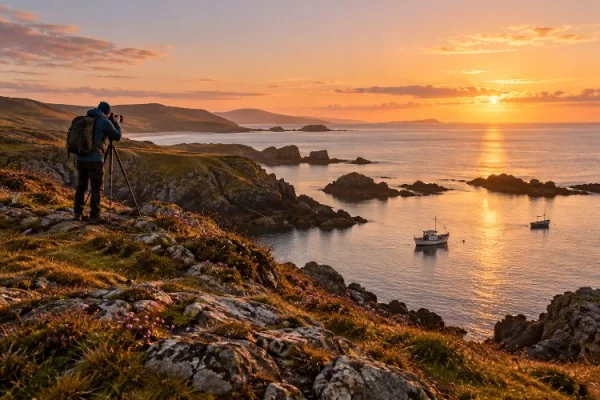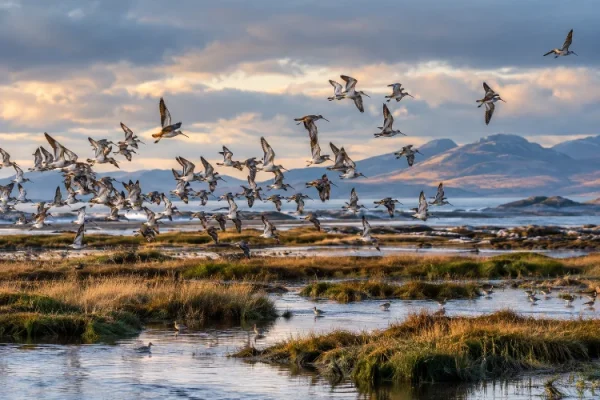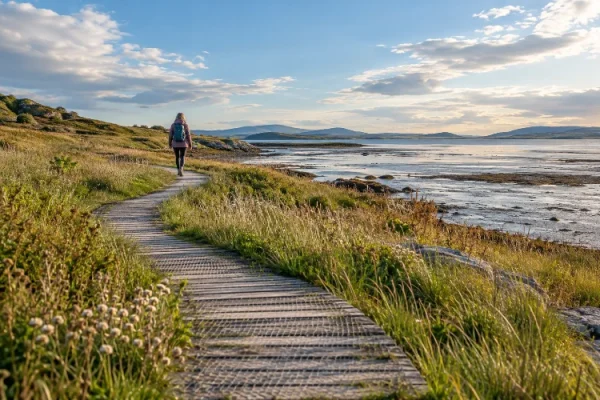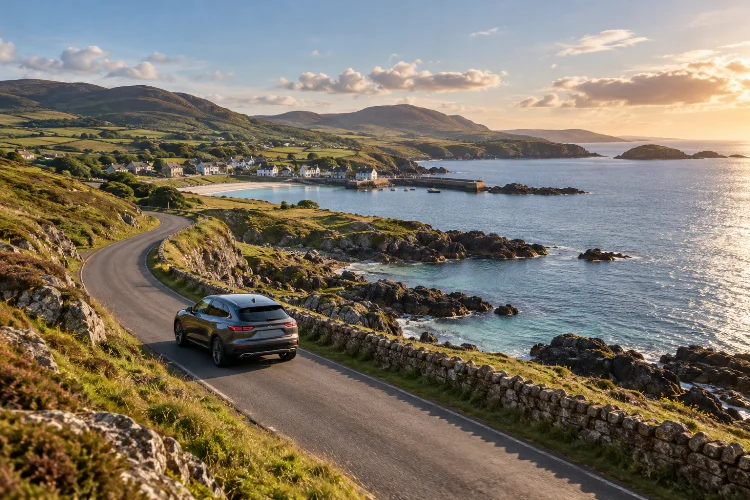
Imagine driving along a peaceful Scottish road with rolling green hills on one side and the sparkling sea on the other. Every few miles, there’s another charming fishing village, hidden beach, or dramatic coastal viewpoint worth exploring.
Sounds like the perfect road trip, doesn’t it?
That’s exactly what makes planning scenic coastal drives across Dumfries and Galloway such an exciting experience.
Located in southwest Scotland, this beautiful region offers some of the country’s most underrated driving routes. You’ll discover rugged cliffs, traditional harbours, sandy beaches, historic landmarks, and countryside landscapes that seem almost untouched by mass tourism.
Unlike Scotland’s busier tourist routes, the roads here often feel wonderfully peaceful, allowing travellers to explore at their own pace.
Whether you’re organising a romantic weekend, a family adventure, or a longer Scottish road trip, Dumfries and Galloway has plenty to offer.
But where should you start, and which coastal destinations deserve a place on your itinerary?
This guide explores the best driving routes, memorable stopping points, practical travel advice, and everything else you need to plan an unforgettable journey.
Why Dumfries and Galloway Is Perfect for Scenic Coastal Road Trips
Scotland is famous for spectacular driving routes, but many travellers immediately think about the Highlands or the North Coast 500.
Dumfries and Galloway offers a refreshing alternative.
The region’s coastline stretches along the Solway Firth and towards the Irish Sea, creating a wonderful mixture of sandy bays, rocky headlands, peaceful estuaries, and traditional villages.
Beautiful Scenery Without Constant Crowds
One of the biggest advantages of exploring southwest Scotland is the relaxed atmosphere.
Popular destinations can still become busy during summer, but many smaller coastal communities remain quieter than Scotland’s internationally famous tourist hotspots.
You can enjoy waterfront walks, photograph colourful harbours, and discover peaceful beaches without feeling constantly surrounded by other visitors.
This makes the region particularly appealing to photographers, couples, and families who appreciate slower travel.
Discover the South West Coastal 300
The South West Coastal 300, commonly called the SWC300, is one of Scotland’s established touring routes.
According to VisitScotland, this circular journey covers approximately 300 miles, or 483 kilometres, through Dumfries and Galloway and South Ayrshire.
The official route includes dramatic coastal landscapes alongside inland attractions, forest scenery, and historic communities.
VisitScotland recommends allowing at least three to four days for the journey.
However, you don’t necessarily need to complete the entire circuit.
Travellers primarily interested in coastal scenery can create shorter itineraries focusing on fishing villages, beaches, and waterfront viewpoints.
How to Plan the Best Coastal Driving Route
Before jumping behind the wheel, it’s worth thinking about how much time you have available.
The coastline contains numerous attractive stopping points, but trying to visit everything in one day can turn a relaxing adventure into an exhausting drive.
Choose Between a Short Escape and a Longer Journey
For a weekend getaway, concentrate on one section of the region.
The Rhins of Galloway peninsula is excellent for dramatic cliffs, historic lighthouses, and traditional harbour villages.
Alternatively, the Solway Coast around Dalbeattie, Sandyhills, and Southerness offers attractive beaches and peaceful countryside.
If you have four or five days, consider exploring several coastal areas while staying overnight in different towns.
This approach provides more opportunities to enjoy local attractions without spending the entire holiday inside your vehicle.
Understand the Local Road Network
Not every scenic route follows the shoreline continuously.
In Dumfries and Galloway, many beautiful coastal destinations are connected by inland roads that wind through farmland, woodland, and small communities.
The A75 provides an important east-west connection across the region.
Smaller roads lead towards coastal villages, beaches, and headlands.
Some rural routes are narrow and winding, so journey times may be longer than the distance suggests.
Planning stops around nearby attractions rather than chasing the shortest route usually creates a better experience.
Explore Portpatrick and the Rhins of Galloway Coast
The western coastline of Dumfries and Galloway offers some of the region’s most dramatic scenery.
Here, rugged cliffs meet the Irish Sea, and picturesque villages provide wonderful opportunities to stop and explore.
Portpatrick: A Charming Harbour Village
Portpatrick Scotland colourful harbour houses coastal village seafront landscape photography.
Portpatrick is one of the most attractive coastal villages in southwest Scotland.
Located on the western side of the Rhins of Galloway peninsula, the village features colourful waterfront buildings, a sheltered harbour, and scenic walking routes.
Once an important ferry port connecting Scotland with Ireland, Portpatrick has developed into a popular destination for visitors.
Today, its waterfront restaurants, traditional architecture, and coastal atmosphere make it a wonderful place to spend an afternoon.
Take a gentle walk around the harbour, enjoy fresh seafood, or explore a short section of the Southern Upland Way.
The village also offers excellent photography opportunities, particularly when changing light illuminates the harbour buildings.
Mull of Galloway: Scotland’s Southernmost Point
Mull of Galloway lighthouse dramatic coastal cliffs Scotland southernmost point panoramic.
A coastal journey through western Dumfries and Galloway wouldn’t feel complete without visiting the Mull of Galloway.
Situated at Scotland’s most southerly point, this spectacular headland offers sweeping views across the surrounding seas.
On clear days, visitors may see Ireland, the Isle of Man, and parts of England.
The famous Mull of Galloway Lighthouse was first illuminated in 1830 and remains an important local landmark.
When visitor access is available, you can climb 115 steps to the top for panoramic views.
The nearby RSPB nature reserve is also excellent for observing seabirds and exploring coastal landscapes.
Remember that lighthouse opening arrangements are seasonal and weather-dependent, so check current information before travelling.
Discover the Peaceful Coast Around Whithorn and Kirkcudbright
Moving eastwards, the scenery gradually changes from dramatic western headlands to sheltered bays, historic settlements, and attractive coastal countryside.
This part of the region is ideal for travellers who enjoy combining sightseeing with cultural experiences.
Isle of Whithorn: History Beside the Sea
Isle of Whithorn Scotland fishing harbour picturesque coastal village boats scenery.
Despite its name, the Isle of Whithorn is not a separate island today.
Instead, it’s a picturesque harbour village situated on the southern coast of the Machars peninsula.
The village has a fascinating maritime history and connections with Scotland’s early Christian heritage.
One notable attraction is the remains of St Ninian’s Chapel, traditionally associated with pilgrims arriving by sea.
Visitors can also enjoy harbour views, coastal walks, and the village’s relaxed atmosphere.
It’s the kind of place where spending an hour simply watching fishing boats and enjoying the scenery feels completely worthwhile.
Kirkcudbright: Scotland’s Colourful Artists’ Town
Kirkcudbright Scotland colourful town harbour River Dee historic buildings waterfront scenery.
Kirkcudbright is another excellent destination for a scenic drive through Dumfries and Galloway.
This historic harbour town is famous for its artistic heritage, colourful buildings, and welcoming independent businesses.
The town’s relationship with painters and creative communities has earned it a reputation as an artists’ town.
Visitors can explore Kirkcudbright Galleries, browse local shops, or enjoy a relaxed meal near the harbour.
The surrounding countryside also features attractive coastal viewpoints and walking opportunities.
For travellers combining nature with local culture, Kirkcudbright makes a particularly rewarding overnight stop.
Experience the Beautiful Beaches of the Solway Coast
The eastern section of the Dumfries and Galloway coastline offers another style of Scottish scenery.
Instead of towering cliffs, you’ll find sandy bays, sheltered estuaries, woodland surroundings, and picturesque sailing communities.
Kippford and Rockcliffe: Coastal Villages Worth Exploring
Kippford Rockcliffe Dumfries Galloway estuary coast sailing boats beach Scotland sunny day.
Kippford is a delightful waterfront village situated beside the River Urr estuary.
Historically associated with shipbuilding, it has developed into a popular sailing destination.
Visitors can enjoy peaceful waterside views, admire moored boats, and explore the surrounding coastline.
Nearby Rockcliffe offers a different experience, with a small sandy beach and attractive natural surroundings.
The area forms part of a National Scenic Area and is associated with the National Trust for Scotland’s coastal conservation work.
Rockcliffe is also close to Rough Island, a wildlife sanctuary reached by a tidal causeway.
However, access depends on tide conditions, and the island is restricted during the bird-breeding season.
Always check local guidance before attempting to visit.
Sandyhills Beach: A Relaxing Coastal Escape
Sandyhills Beach Dumfries and Galloway Scotland wide sandy beach Solway Firth.
Sandyhills Beach is another wonderful stop for travellers exploring the Solway Coast.
The sheltered bay features wide sandy areas at low tide and appealing views across the surrounding coastline.
It’s particularly popular with walkers, families, and visitors travelling with dogs.
Those interested in longer walks can explore sections of the coast towards Rockcliffe, although these routes require suitable footwear and preparation.
The beach also provides excellent opportunities for landscape photography.
Check tide times before visiting, as the shoreline looks considerably different throughout the day.
Southerness: A Historic Lighthouse and Wide Coastal Views
Southerness lighthouse beach Solway Firth Dumfries Galloway Scotland square white lighthouse coast.
Southerness is famous for its distinctive square lighthouse, built in 1749.
Although it no longer operates as an active lighthouse, the structure remains a recognisable landmark along the Solway Firth.
The surrounding beach combines sand, rocks, and exposed tidal areas.
On clear days, visitors can enjoy views towards the Lake District across the water.
It’s a lovely destination for coastal walks, family photographs, and quiet moments beside the sea.
However, mudflats and changing tides require caution, particularly when exploring with children.
A Four-Day Scenic Coastal Driving Itinerary
Creating a simple itinerary makes it easier to experience different landscapes without constantly rushing between attractions.
This four-day journey follows selected coastal destinations from west to east rather than the complete official SWC300 circuit.
Day 1: Portpatrick and the Mull of Galloway
Begin your adventure in Portpatrick, exploring the harbour and enjoying a relaxed morning beside the sea.
After lunch, continue towards the Mull of Galloway through the Rhins peninsula.
Allow enough time to visit the lighthouse area and enjoy the surrounding coastal views.
Spend the evening around Stranraer or another suitable local base.
This first day introduces you to the region’s dramatic western coastline.
Day 2: Isle of Whithorn and Kirkcudbright
Start your second day by travelling towards the Machars peninsula.
Visit the Isle of Whithorn and take time to explore its historic harbour and coastal surroundings.
Continue east towards Kirkcudbright, allowing for a substantial drive between the two destinations.
Spend the afternoon enjoying the town’s galleries, shops, and waterfront atmosphere.
Kirkcudbright is a practical location for an overnight stay before continuing along the Solway Coast.
Day 3: Kippford, Rockcliffe, and Sandyhills
Dedicate your third day to exploring some of the quieter coastal villages and beaches.
Begin at Kippford, where you can enjoy the attractive estuary scenery.
Continue towards Rockcliffe for a relaxing beach walk or picnic.
If time and weather allow, finish at Sandyhills Beach.
This section is perfect for travellers who enjoy slower exploration rather than visiting major tourist attractions.
Day 4: Southerness and the Dumfries Coast
Spend your final day heading towards Southerness.
Explore the lighthouse area, enjoy the views across the Solway Firth, and take a short coastal walk.
If you’re interested in wildlife, consider a separate visit to the Caerlaverock wetlands near Dumfries.
The region is known for its saltmarsh habitats and visiting waterbirds.
Finish your journey around Dumfries, where you can enjoy a meal before travelling home or continuing your Scottish adventure.
Practical Tips for a Safe and Memorable Coastal Drive
Beautiful scenery is only part of a successful road trip.
Planning ahead helps you avoid unnecessary stress, particularly when travelling through rural areas.
Choose the Best Time of Year
Spring is an excellent season for scenic driving in Dumfries and Galloway.
The countryside becomes greener, daylight hours increase, and many destinations are less crowded than during peak summer.
Summer offers longer days and more opportunities for outdoor activities, although popular beaches and accommodation can become busier.
Autumn is particularly attractive for photography, with softer light and colourful countryside landscapes.
Winter drives can also be rewarding, but shorter daylight hours and challenging road conditions require extra preparation.
For first-time visitors, late spring and early autumn are definately worth considering.
Prepare for Narrow Roads and Changing Weather
Many rural roads in southwest Scotland are narrower than visitors might expect.
Some have limited visibility, sharp bends, and occasional passing places.
Drive at a comfortable speed, keep an eye out for agricultural vehicles, and never stop somewhere that blocks traffic.
When using passing places, allow other drivers to pass safely and avoid treating these areas as parking spaces.
Scottish weather can change quickly, especially near exposed coastlines.
Check forecasts and official weather warnings before leaving, and carry waterproof clothing even during warmer months.
Plan Fuel, Parking, and Electric Vehicle Charging
Larger towns generally offer more convenient access to fuel stations and services.
However, smaller coastal communities may have limited facilities.
Fill your tank before exploring remote peninsulas and check opening hours when travelling outside the main holiday season.
Electric vehicle drivers should plan charging stops in advance, becuase charging availability can vary across rural sections.
Download offline navigation maps as a backup where mobile coverage is unreliable.
Budget for the Entire Road Trip
A coastal driving holiday doesn’t necessarily require a large budget.
Many beaches, village walks, and scenic viewpoints can be enjoyed without paying admission fees.
However, fuel, accommodation, parking, meals, and selected attractions should all be included in your budget.
Self-catering accommodation can help control food expenses, particularly during longer journeys.
Travelling outside school holidays may also provide more accommodation choices and competitive prices.
Before departure, seperate essential expenses from optional activities so you know where you can be flexible.
Respect Wildlife and Coastal Environments
Dumfries and Galloway’s natural beauty is one of the region’s greatest attractions.
Protecting that environment helps ensure future visitors can enjoy the same experiences.
Use designated parking areas, avoid disturbing wildlife, and take rubbish away with you.
Keep dogs under appropriate control around livestock and nesting birds.
Coastal safety is equally important.
Never underestimate tidal conditions, unstable cliff edges, or slippery rocks, even when the weather looks calm.
And remeber, the best road trips aren’t about reaching every destination.
They’re about appreciating the journey and leaving beautiful places as you found them.
Planning scenic coastal drives across Dumfries and Galloway is a wonderful way to experience a quieter, more relaxed side of Scotland.
From Portpatrick’s colourful harbour and the dramatic Mull of Galloway to the peaceful beaches around Rockcliffe and Southerness, the region offers plenty of memorable destinations.
The key to a successful journey is choosing a realistic route, allowing time for spontaneous stops, and preparing for changing road and weather conditions.
Whether you have a weekend or several days available, there’s no shortage of beautiful scenery to discover.
Ready to explore southwest Scotland?
Start planning your route, choose your favourite coastal stops, and book accommodation that suits your travel style.
Sometimes, the best Scottish adventures begin when you leave the busiest roads behind.