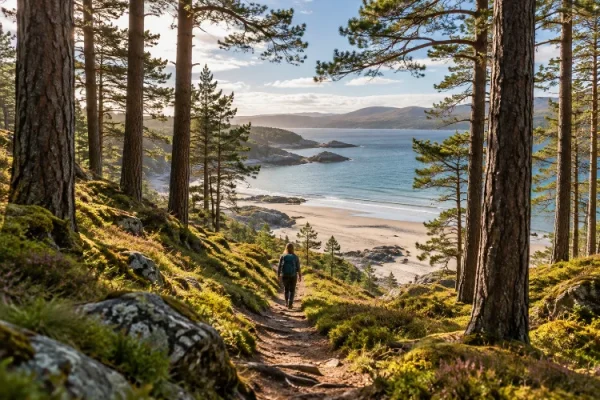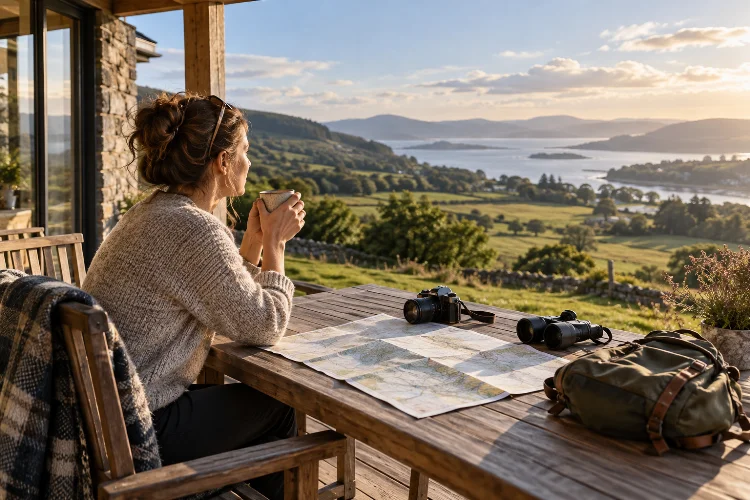
Imagine spending an entire week exploring peaceful Scottish villages, dramatic coastal landscapes, ancient castles, and beautiful forests without constantly packing your bags or rushing between destinations.
Sounds like a pretty great holiday, right?
That’s exactly what makes Creetown and the surrounding Galloway countryside such an appealing destination.
Located in southwest Scotland, Creetown is a charming village offering convenient access to some of Dumfries and Galloway’s most interesting attractions.
From the peaceful shores of Wigtown Bay to the woodland adventures of Galloway Forest Park, there’s plenty to experience within a relatively manageable driving distance.
But here’s the thing: planning seven days in an unfamiliar region can feel surprisingly overwhelming.
Should you spend more time exploring beaches or forests? Which villages deserve a full afternoon? And how do you fit historical attractions, outdoor adventures, and relaxing evenings into one week?
Designing seven-day holiday itineraries around Creetown and Galloway becomes much easier when you organise your adventures geographically and leave enough room for spontaneous discoveries.
This guide walks you through a practical week-long itinerary, combining scenic attractions, local culture, outdoor activities, and plenty of opportunities to slow down.
Why Creetown Makes an Excellent Base for a Seven-Day Holiday
Choosing the right base can make an enormous difference to your holiday experience.
Creetown sits close to the A75, the main road connecting several towns across southwest Scotland. Its location makes exploring both coastal villages and inland countryside relatively convenient.
Unlike staying in a larger tourist centre, accommodation around Creetown offers opportunities to enjoy a quieter rural atmosphere.
A Small Village With Plenty of Character
Creetown developed through its connections with quarrying, transport, and the surrounding countryside.
Today, visitors can appreciate its traditional streets, local history, and peaceful setting near the Cree estuary.
It’s particularly attractive for travellers who prefer staying somewhere relaxed rather than spending every evening in a busy resort.
The village also provides a useful starting point for exploring Newton Stewart, Gatehouse of Fleet, and the surrounding Galloway Hills.
Choosing Accommodation for a Week
A seven-day holiday usually works best when you don’t need to change accommodation repeatedly.
Static caravans, holiday cottages, countryside lodges, and guesthouses are all worth considering across the wider area.
Self-catering accommodation can be particularly convenient for families because you can prepare meals, store groceries, and organise daily excursions around your own schedule.
If you’re travelling with children, look for comfortable living space, convenient parking, and reliable heating.
Couples may prefer accommodation with scenic views, private outdoor seating, or access to peaceful walking trails.
Whichever option you choose, make sure it suits your needs for the entire week rather than focusing exclusively on the nightly price.
Day 1: Discover Creetown and Settle Into the Galloway Countryside
Your first day should be relatively relaxed, especially if you’ve spent several hours travelling.
Instead of immediately heading towards a distant attraction, start by exploring your holiday base.
Morning: Explore Creetown Village
After arriving and settling into your accommodation, take a gentle walk through Creetown.
The traditional buildings and surrounding countryside provide a welcoming introduction to rural Galloway.
Stop for refreshments if a local café is open, or simply enjoy wandering through the village streets.
It’s also a good opportunity to identify nearby shops and practical facilities before beginning your longer day trips.
Afternoon: Discover the Gem Rock Museum
One of Creetown’s best-known attractions has been the Gem Rock Museum, which houses collections of gemstones, crystals, minerals, and fossils.
The family-run museum offers an interesting alternative to outdoor activities, particularly for visitors travelling with children.
Its colourful geological displays make it an engaging place to learn about natural history.
Important planning note: The museum’s official website states that its final scheduled opening day is 31 October 2026, following the owners’ retirement. Visitors planning a trip after this date should check whether the attraction has reopened under new ownership or choose another activity.
If the museum isn’t available, spend the afternoon enjoying local countryside scenery or take a short drive to nearby Newton Stewart.
Evening: Enjoy Your First Scottish Countryside Sunset
Keep your evening simple.
Prepare a relaxed meal at your accommodation or explore available dining options nearby.
If the weather is pleasant, spend some time outdoors enjoying the surrounding landscape.
There’s no need to fill every minute with activities.
After all, you’re on holiday.
Day 2: Explore Cairnsmore of Fleet National Nature Reserve
Your second day is dedicated to one of the area’s most impressive natural landscapes.
Cairnsmore of Fleet National Nature Reserve offers rugged hills, peaceful river valleys, woodland, and opportunities to observe Scottish wildlife.
According to NatureScot, the reserve is one of the wildest yet relatively accessible landscapes in southwest Scotland.
Morning: Walk the In-bye Trail
Start by travelling towards the Dromore visitor area.
NatureScot identifies the reserve entrance near Dromore Farm, approximately 11 kilometres from Creetown via the B796 and a connecting minor road.
The In-bye Trail is a particularly good introduction to the landscape.
This approximately 3.1-kilometre route takes around an hour and passes meadowland, the Big Water of Fleet, and an impressive former railway viaduct.
Along the way, you can appreciate the area’s geology, wildlife habitats, and fascinating landscape features.
The path includes some uneven and potentially slippery sections, so comfortable walking footwear is important.
Afternoon: Wildlife, Photography, and Scenic Views
After completing the trail, enjoy a picnic or explore another suitable short route.
The reserve supports a range of wildlife, including peregrine falcons, ravens, red deer, and various moorland birds.
Sightings are never guaranteed, but even without spotting wildlife, the scenery makes the visit worthwhile.
More experienced hikers might consider longer routes towards the Clints of Dromore.
However, these sections involve rougher terrain and require greater preparation.
For casual visitors, there’s absolutely nothing wrong with choosing the gentler trails.
Spend the evening relaxing back in Creetown after a day surrounded by nature.
Day 3: Visit Gatehouse of Fleet and Its Historic Attractions
Day three introduces a completely different atmosphere.
Gatehouse of Fleet is an attractive historic town surrounded by woodland and the scenic Fleet Valley.
It’s a wonderfull destination for travellers who enjoy combining local heritage with peaceful countryside exploration.
Morning: Discover the Mill on the Fleet
Begin at the Mill on the Fleet, a former cotton mill converted into a visitor centre and exhibition space.
The exhibitions explore Gatehouse of Fleet’s development as an industrial town and the natural history of the surrounding valley.
Visitors can learn how the community evolved during the eighteenth and nineteenth centuries.
The building also hosts changing exhibitions and cultural activities.
Its exhibition areas generally operate from late March through October, so check opening details before travelling.
Afterwards, enjoy a leisurely walk around the town centre.
Afternoon: Cally Woods and Cardoness Castle
Continue towards Cally Woods, a peaceful woodland area on the edge of Gatehouse of Fleet.
The forest includes broadleaf trees, attractive walking paths, and opportunities to observe wildlife such as red squirrels and woodland birds.
Spring visitors might encounter snowdrops or bluebells, while autumn brings beautiful seasonal colours.
If you still have time, consider visiting Cardoness Castle.
This medieval tower house stands near the A75 and provides an interesting glimpse into Scotland’s turbulent past.
Historic Environment Scotland currently advises that the castle interior is closed for conservation work, although the grounds, exterior, and visitor facilities may be accessible during scheduled opening periods.
Confirm access arrangements before making it an essential part of your day.
Return to Creetown for a relaxed evening rather than squeezing in another major destination.
Day 4: Explore Wigtown, Scotland’s National Book Town
Not every holiday adventure needs to involve hiking boots.
Day four is perfect for slowing down and discovering the literary culture of southwest Scotland.
Wigtown was officially designated Scotland’s National Book Town in 1998 and has developed a reputation for independent bookshops and literary events.
Morning: Browse Wigtown’s Bookshops
Spend your morning exploring the town’s bookshops, cafés, and traditional streets.
Whether you’re interested in history, fiction, gardening, photography, or rare publications, browsing the shelves can easily occupy several hours.
One of the best things about Wigtown is that the experience isn’t limited to buying books.
It’s also about discovering a small Scottish community with a distinctive creative identity.
Stop for lunch at a local café and enjoy the slower pace.
Afternoon: Wigtown Bay and the Martyrs’ Stake
After lunch, explore the walking routes leading towards Wigtown Bay.
The Lovers’ Walk, Martyrs’ Stake, and Wigtown Harbour route offers a combination of countryside views, saltmarsh scenery, and local history.
Depending on the selected variation, the walk covers approximately 2.7 to 5.2 kilometres.
The Martyrs’ Stake commemorates two women executed during Scotland’s religious conflicts in 1685.
Nearby wetland areas also offer opportunities to observe birds feeding along the estuary.
The landscape is particularly attractive during autumn and winter when migrating wildfowl gather around the bay.
Bring binoculars if you enjoy wildlife watching, and remember to remain on established paths around tidal mudflats.
Day 5: Enjoy Forest Adventures at Kirroughtree
By day five, it’s time for another outdoor adventure.
Kirroughtree, near Newton Stewart, forms part of Galloway Forest Park and is one of the region’s best-known destinations for walking and mountain biking.
The forest combines family-friendly facilities with more challenging recreational opportunities.
Morning: Choose a Woodland Walking Trail
Forestry and Land Scotland provides several waymarked walking routes at Kirroughtree.
The Wild Watch Trail is a short, accessible route of approximately 0.5 kilometres, making it attractive for families and visitors looking for a gentle stroll.
For something longer, the Little Bruntis Trail covers approximately 4 kilometres and passes woodland scenery and peaceful lochs.
The surrounding forest is also home to red squirrels, woodland birds, and other wildlife.
You don’t need to be an experienced hiker to appreciate the natural surroundings.
Afternoon: Try Mountain Biking or Relax at the Visitor Centre
Kirroughtree is also part of Scotland’s 7stanes mountain biking network.
Its trails range from beginner-friendly routes to technical options designed for experienced riders.
Families can choose gentler cycling opportunities, while confident mountain bikers may enjoy exploring more demanding terrain.
Always select a route that matches your ability and equipment.
If cycling isn’t your thing, enjoy the visitor centre, café, or another woodland walk instead.
The forest offers plenty of reasons to visit without participating in high-energy activities.
Evening: Experience Galloway’s Dark Skies
For a memorable evening, consider a stargazing excursion when the forecast is clear.
Galloway Forest Park became an International Dark Sky Park in 2009 and is recognised for its low levels of light pollution.
On suitable nights, visitors can observe stars, constellations, and sometimes the Milky Way without specialised equipment.
Choose an authorised viewing location, check access conditions, and bring warm clothing.
Remember that cloud cover and moonlight influence what you’ll see.
Stargazing is definately worth considering, but it works best as a flexible activity rather than a guaranteed part of the schedule.
Day 6: Discover Kirkcudbright’s Artistic and Coastal Heritage
After several days exploring forests and countryside, day six offers an opportunity to enjoy culture and coastal scenery.
Kirkcudbright is widely known as Scotland’s Artists’ Town.
Its colourful streets, creative heritage, and attractive harbour make it an excellent destination for a relaxed day trip.
Morning: Explore the Town’s Art Galleries
Begin by wandering through Kirkcudbright’s town centre.
You’ll discover traditional architecture, independent shops, and galleries showcasing different styles of artwork.
One notable attraction is Broughton House and Garden, the former home of Scottish artist E. A. Hornel.
Managed by the National Trust for Scotland, the property contains paintings, historic interiors, and a Japanese-inspired garden.
It’s a particularly interesting stop for visitors who appreciate Scottish art history.
Opening hours vary seasonally, so verify availability before visiting.
Afternoon: Harbour Walks and Local Food
After exploring the town’s artistic attractions, head towards the harbour.
Kirkcudbright’s waterside setting provides opportunities for relaxed walking and photography.
Spend some time browsing local shops before enjoying lunch or an afternoon treat.
Depending on restaurant menus and availability, you may find dishes featuring regional seafood or other Scottish ingredients.
This is a great chance to support independent businesses and experience local hospitality.
Rather than rushing between attractions, let the afternoon unfold naturally.
You might discover a small gallery, an interesting historic building, or a quiet place to enjoy the scenery.
Sometimes the best holiday memories come from those unplanned moments.
Day 7: Finish With a Coastal Adventure at Garlieston and Rigg Bay
Your final full day deserves something memorable.
Garlieston, a peaceful village on Wigtown Bay, offers access to beautiful coastal paths, woodland, and historic landmarks.
It’s an excellent destination for a final countryside adventure before heading home.
Morning: Discover Garlieston’s Harbour
Start with a gentle walk around Garlieston’s waterfront.
The village has an interesting maritime history, including its role in testing Mulberry Harbour components during the Second World War.
These temporary harbour structures contributed to Allied preparations for the Normandy landings.
Today, the surrounding landscape is much quieter.
Take time to appreciate the coastal scenery before continuing towards nearby walking routes.
Afternoon: Walk Towards Rigg Bay
Follow the coastal path south towards Rigg Bay.
The route passes through attractive woodland and sections of shoreline, offering opportunities for photography and wildlife observation.
Rigg Bay is a beautiful place to stop for a picnic or simply enjoy the sea views.
More experienced walkers can continue towards the remains of Cruggleton Castle.
According to Walkhighlands, the full Garlieston to Cruggleton Castle return walk covers approximately 10.25 kilometres and usually takes around 2.5–3 hours of walking.
However, the route includes potentially muddy sections, uneven ground, and exposed coastal paths.
If you’re travelling with young children or prefer gentler activities, turning back at Rigg Bay can be a more comfortable option.
Finish your final evening with a relaxed meal back at your accommodation.
It’s a simple but satisfying way to end a week exploring Galloway.
Practical Tips for Planning a Seven-Day Creetown Holiday
A week-long itinerary works best when you combine thoughtful preparation with enough flexibility to adapt your plans.
Fortunately, organising a holiday around Creetown doesn’t need to be complicated.
Consider Transport and Driving Distances
Having access to a car is particularly useful when exploring rural Dumfries and Galloway.
Although public transport connects some towns, services to smaller attractions and countryside locations may be limited.
Grouping nearby destinations reduces unnecessary driving and allows more time for enjoyable activities.
For example, visiting Gatehouse of Fleet and Cally Woods on the same day makes more sense than travelling back and forth across the region.
Download offline maps before visiting remote areas, and check parking arrangements in advance.
Prepare for Scotland’s Changing Weather
Scottish weather can be unpredictable throughout the year.
Even during summer, you may encounter rain, strong winds, or unexpectedly cool evenings.
Packing waterproof clothing, comfortable walking shoes, and additional layers makes outdoor adventures easier.
For forest walks, carry drinking water and a charged phone.
Check local forecasts and trail notices before attempting longer routes.
During colder months, shorter daylight hours may require adjusting your daily itinerary.
Keep Your Budget Flexible
Accommodation is usually one of the biggest expenses during a week-long holiday.
However, food, fuel, attraction tickets, and recreational activities also influence the final budget.
Self-catering can help reduce dining expenses, especially when travelling as a family.
You can also balance paid attractions with free or lower-cost experiences such as woodland walks, harbour visits, and countryside sightseeing.
As a practical example, reserve one or two days for ticketed attractions while leaving other days focused on outdoor exploration.
This approach provides variety without requiring a large entertainment budget.
For anyone planning a longer stay, that balance can be surprizingly valuable.
Adapt the Itinerary to Your Travel Style
Families with younger children may want shorter walking routes and additional time at visitor centres.
Couples might prefer peaceful coastal villages, scenic viewpoints, and relaxed dining.
More adventurous travellers can replace gentler excursions with mountain biking or longer hiking routes.
The important thing is to avoid treating every suggested activity as compulsory.
A good itinerary should create opportunities, not unnecessary pressure.
When Is the Best Time to Visit Creetown and Galloway?
Spring and summer are attractive seasons for exploring southwest Scotland because longer daylight hours make outdoor activities easier.
Between April and September, visitors can generally enjoy more time for coastal walks, countryside sightseeing, and family excursions.
However, school holidays may bring stronger demand for accommodation and popular attractions.
Autumn offers another appealing option.
Woodland colours begin changing, coastal destinations become quieter, and darker evenings create opportunities for stargazing.
Winter can also provide beautiful scenery, but some museums, visitor attractions, and holiday parks operate reduced schedules or close temporarily.
If you’re planning a seven-day holiday outside the main tourist season, confirm opening dates before booking.
It’s also sensible to keep one afternoon free for unexpected weather changes.
That little bit of planning flexibility can make a big difference to your overall experience.
Designing seven-day holiday itineraries around Creetown and Galloway is all about finding the right balance between adventure, relaxation, and local discovery.
From exploring Cairnsmore of Fleet and Kirroughtree Forest to discovering Wigtown’s bookshops, Kirkcudbright’s artistic heritage, and Garlieston’s beautiful coastline, there’s enough variety to fill an entire week without feeling rushed.
Using Creetown as your holiday base makes it easier to explore different parts of southwest Scotland while enjoying the comfort of returning to familiar accommodation each evening.
The secret is keeping your schedule realistic, checking seasonal opening times, and allowing room for spontaneous experiences.
Ready to discover Galloway for yourself? Compare accommodation around Creetown, save your favourite attractions, and start planning a memorable seven-day Scottish countryside getaway.